
5 Common Mistakes When Making Iced Tea (and How to Fix Them)
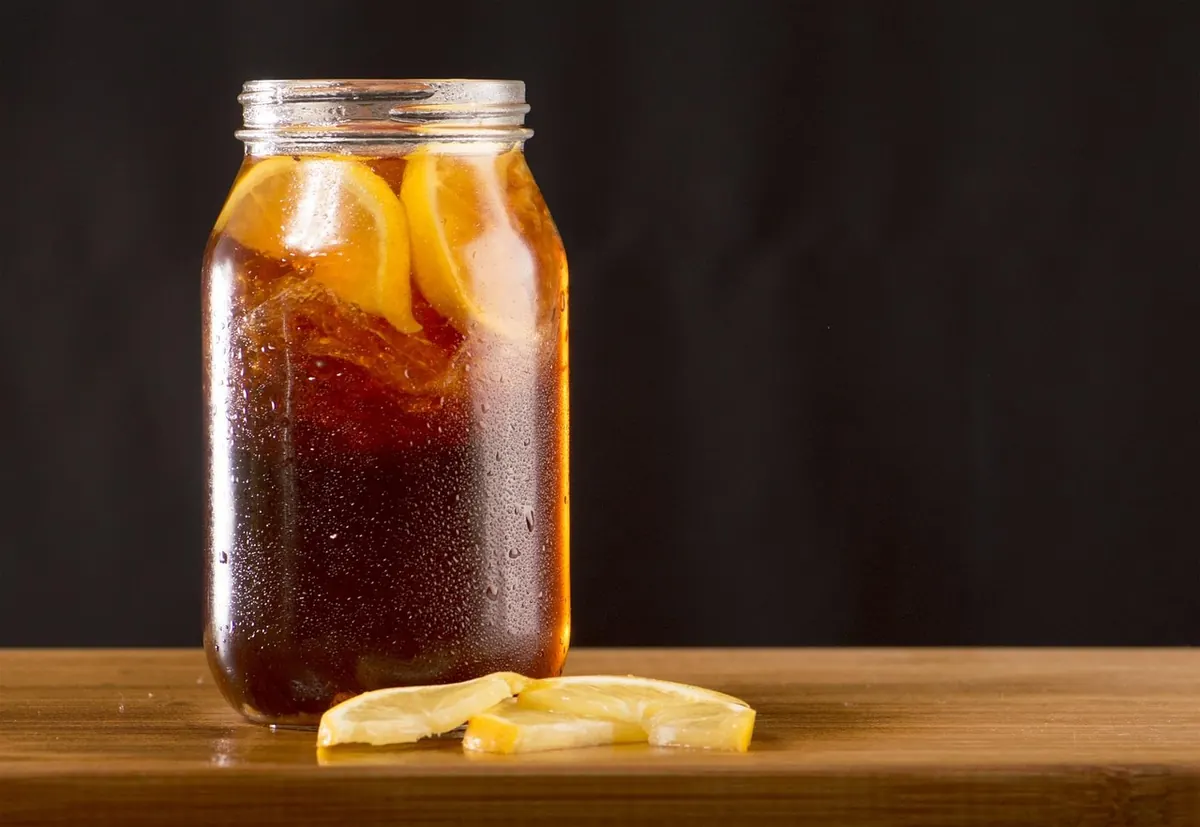
Iced tea looks like the easiest thing in the world to make. Tea, water, ice, done. And yet the distance between a glass that tastes clean and bright and one that tastes like bitter leaf water — or like cold nothing at all — comes down to a handful of small decisions. Most of the trouble starts when we brew iced tea exactly the way we brew a hot cup, then trust the ice to sort everything out. It won't. What follows are the mistakes that show up most often in home pitchers, and the fix for each one. None of them require new equipment.
Mistake 1: Steeping It as if You Were Making a Hot Cup
The usual routine: brew a normal pot, let it cool on the counter, pour it over ice. That produces thin, flat tea, because a normal-strength hot brew becomes a weak iced drink once ice melts into it. Iced tea needs to be brewed stronger and, in most cases, for less time.
Two approaches work well.
The fast way is a hot concentrate. Use roughly double the leaf you would for a hot cup — about 2 teaspoons of loose leaf per 8 ounces of water — and steep for 3 to 4 minutes for black tea, 2 to 3 for green. Then dilute with cold water or pour it over plenty of ice.
The gentler way is cold brewing. Add 1 to 1½ teaspoons of loose leaf per 8 ounces of cold water, cover, and refrigerate for 8 to 12 hours. Cold water pulls out less of the bitter compounds and more of the floral sweetness, which is why cold-brewed tea rarely needs sweetening at all. Strain it and drink within a few days.
Either way, don't park the tea in the fridge with the leaves still in it. What begins as a pleasant, rounded flavor turns harsh and stewed after a few hours.
Quick reference
- Black tea: near-boiling water, 3–4 minutes, double strength for a concentrate
- Green tea: 170–180°F, 2–3 minutes, then chill fast
- Oolong: 190–200°F, 3–4 minutes; lighter oolongs brew more like green
- Herbal (hibiscus, rooibos, mint): boiling water, 5–7 minutes, since there's no tea leaf to go bitter
Mistake 2: Ignoring the Ice
Ice is an ingredient, not a garnish. A tall glass packed with cubes might be a third ice, which means a third of your drink is meltwater. If you brewed at drinking strength, you'll be sipping diluted tea within minutes.
The fix is to brew a concentrate and let the ice do the diluting on purpose. Fill the glass with ice, pour the strong tea over it, and taste after a minute or two. That's the flavor you're actually serving.
Two upgrades are worth trying. Chill the tea in the fridge before it ever meets the ice, so the cubes melt slowly instead of collapsing into the glass. And freeze leftover tea into cubes, so melting adds flavor rather than watering things down. A tray of tea cubes made from the same batch is the simplest trick in iced tea.
Mistake 3: Treating Every Tea the Same
A delicate green tea and a sturdy Assam do not want the same treatment. Green tea and lightly oxidized oolongs scorch quickly, turning grassy in the wrong way — use cooler water and shorter steeps. Robust black teas and most herbals can take heat and time. If you build one habit, make it this: match the temperature to the leaf, not to your kettle's default.
Leaf size matters too. Fine, dusty tea from a cheap bag extracts fast and bitter, and it's unforgiving if you walk away from it. Whole leaf is more patient. And check the age of the tea itself. Tea stored in a warm, open cupboard picks up aromas from everything around it, which is why last year's batch can taste like cardboard no matter how carefully you brew. Keep it sealed, dark and away from the spice rack.
Mistake 4: Sweetening Cold Tea
Stirring sugar into a cold glass gets you grit at the bottom and a drink that still isn't sweet. Sugar needs warmth to dissolve.
Make a simple syrup instead: equal parts sugar and water by volume, warmed gently and stirred until the mixture is clear, then cooled and kept in the fridge. It dissolves instantly in cold tea. Honey works the same way — loosen it in a spoonful of hot water first. If you're sweetening a hot concentrate, add the sugar while the tea is still warm and skip the syrup entirely.
One thing to remember: cold dulls sweetness and aroma. Taste your tea after it's chilled, not before, or you'll oversweeten it.
If your iced tea tastes flat rather than weak, the problem is usually acid, not sugar. A squeeze of lemon or lime wakes up the whole glass.
Mistake 5: Letting It Sit Uncovered, Then Wondering Why It Tastes Off
Tea is mostly water, and water absorbs whatever is nearby. An open pitcher in a crowded fridge will taste like last night's leftovers by morning. Cover it, and keep it away from strong-smelling food.
Iced tea is at its best within two or three days. After that, the aroma fades and the flavor turns dull or slightly sour. Cloudiness, by the way, is harmless — it's tannins and minerals reacting to the cold. A splash of hot water or a tiny pinch of baking soda stirred in can clear it, though nobody will notice if you leave it as it is.
One safety point: tea left out at room temperature for hours, especially sweetened tea, should be poured out. If you're unsure how long it's been sitting, start a fresh pitcher.
Mistake 6: Stopping Before the Glass Is Balanced
Good iced tea is built, not just brewed. A little acid — lemon, lime, even a splash of grapefruit — sharpens the flavor and makes the tea taste fresher. A tiny pinch of salt in a pitcher of sweet tea rounds off bitterness and makes the sweetness read more clearly; you shouldn't taste salt, only the effect. Fresh mint, bruised between your fingers before it goes in, adds aroma without much flavor. And a slice of peach or a few berries left to sit in the pitcher for an hour will scent the whole batch.
A Fix-It Checklist for Your Next Pitcher
- Brew double strength, or cold brew overnight
- Remove the leaves before refrigerating
- Chill the tea before it meets the ice
- Sweeten with syrup, not granules
- Cover the pitcher and drink it within three days
- Taste cold, then adjust with acid and a pinch of salt
None of this is complicated, and most of it takes less effort than the mistake it replaces. Brew it strong, chill it fast, cover it up, and finish it with something bright. The next pitcher will taste like a different drink, and it will have cost you nothing but a few minutes of attention.
Photo: fernandovillalobos / Pixabay