A Checklist for Buying Your First Electric Tea Kettle: Temperature Control, Capacity, and Pour
A kettle looks like the simplest thing in the kitchen. Fill it, flip the switch, wait for the click. But if you drink green tea, white tea, or a delicate oolong, a kettle that only knows how to boil is quietly ruining your cup. A temperature-controlled electric kettle is one of the few pieces of tea gear that changes the drink in a way you can taste on the first sip — and also one of the easiest to overspend on if you shop by features you'll never touch. Here is what actually matters, roughly in the order you'll notice it day to day.
Temperature Control Is the Whole Point
Water temperature does more to a cup of tea than most people expect. Pour just-boiled water onto a delicate green tea and you get a sharp, astringent brew; the same leaves at around 75°C taste sweet and vegetal. Black tea, most pu'er, and herbal blends usually want water close to boiling. Without control, you end up improvising with a thermometer and a splash of cold water — workable once, annoying every morning.
So the first question to ask is simple: can you set an actual number?
Presets or degrees?
Many kettles offer five or six buttons labeled green, white, oolong, coffee, boil. That's convenient, but check what those buttons are actually set to. A "green" preset fixed at 85°C is too hot for a fine sencha and about right for a roasted oolong. Degree-by-degree adjustment, or at least steps of 5°C, gives you room to follow the tea rather than the label. Presets plus a manual override are ideal; presets alone are a compromise.
Keep-warm, accuracy, and the display
A hold function keeps water at your chosen temperature for a stretch of time — often half an hour, sometimes an hour. If you brew gongfu style, refilling a small pot every few minutes, this is genuinely useful. If you make one mug and leave the kitchen, it's mostly marketing. Check that hold works at low temperatures too, not just near boiling.
As for accuracy, you don't have to take the box's word for it. In your first week, heat to 80°C, check with an instant-read thermometer, and compare. A few degrees of drift is normal. Ten degrees off is a return.
Capacity: Buy for the Pot, Not the Counter
Kettles for tea generally run from about 0.6 to 1.7 liters. The number that matters isn't the maximum, though — it's the relationship between the maximum and the minimum fill line.
- Small (0.6–0.8 L): good for one or two people, and the usual size for gooseneck models. Fills a small pot several times over.
- Medium (1.0–1.2 L): the comfortable default for a household that drinks tea daily and occasionally hosts.
- Large (1.5 L and up): fine for filling a big teapot or a French press, but awkward if you mostly brew 200 ml at a time.
That last point trips people up. Most kettles have a minimum fill line somewhere around 0.3 to 0.5 liters for safety and sensor reasons. If your daily cup needs 150 ml, a large kettle forces you to heat far more water than you'll use — slower, noisier, and pointless. Also think about the kettle full: a liter of water weighs a kilogram, and you'll be lifting it at an angle. Check the footprint under your cabinets and whether the lid opens wide enough to get a hand inside.
Pour: The Feature You Notice Every Single Day
A gooseneck spout is the reason many tea drinkers buy a dedicated kettle. The narrow, curved neck produces a slow, steady stream you can aim at a gaiwan or a small pot without splashing. It's slower by design, which is exactly what you want when you're pouring 90 ml of water onto leaves.
If you mostly fill a large mug and walk away, a standard wide spout pours faster and costs less. Either way, handle the kettle if you can, or read closely about these details:
- Balance: a full kettle should feel stable in the hand, not top-heavy when tilted.
- Handle heat: it should stay cool through a full boil, including near the base where steam collects.
- Lid security: tilt the kettle past horizontal — the lid should stay seated, not drop open over your wrist.
- Drip: a spout that dribbles down the side after every pour becomes a daily irritation.
Materials, Lids, and Cleaning
A stainless steel interior is the safe default: neutral in flavor, durable, and easy to rinse. Glass bodies look lovely and let you watch the water, though they're heavier and show every smudge. Plastic-bodied kettles are cheaper, but the interior surface matters more than the shell.
Look hard at the parts that touch hot water. Lids, seals, and internal filters are where cheaper kettles hide plastic and where off-flavors tend to come from. A removable, washable filter and a wide lid opening make a real difference over time, especially if you live in a hard-water area where scale builds quickly. A vinegar-and-water boil or a citric acid solution handles descaling, but check the manual first — some makers warn against certain methods on coated or glass interiors.
Small Details That Decide Whether You Love It
These aren't headline features, but they shape the daily experience:
- Auto shutoff and boil-dry protection. Standard on any kettle worth buying. Don't compromise here.
- A readable display that shows the current temperature, not just the target.
- A beep you can mute. Or one quiet enough not to wake the house.
- Memory of the last setting, so you're not re-dialing 80°C every morning.
- A cordless 360-degree base that lets you set the kettle down from any angle.
- Available replacement parts, particularly filters and seals.
The Checklist Before You Buy
- Adjustable temperature in small steps, not presets alone.
- A hold function, if you brew multiple infusions in a session.
- Accuracy you can verify with a thermometer in week one.
- Capacity matched to your usual brew size — and a low minimum fill.
- A spout that pours at the speed your brewing style needs.
- A handle and lid that stay cool and secure when full.
- Stainless steel or glass interior, wide lid, removable filter.
- Auto shutoff and boil-dry protection, without exception.
- A generous return window, in case the first one runs hot.
Match the Kettle to the Tea You Actually Drink
If your shelf is mostly black tea, pu'er, and herbal blends, a simple variable kettle with a boil setting and one or two lower stops is plenty — put your money into pour quality instead. If you're chasing delicate greens and whites, prioritize accuracy at low temperatures and a hold function, because those are the settings you'll use twice a day. Skip the app-connected models; nobody opens a phone to boil water. And keep the packaging for a few weeks. If the temperatures don't line up with what the display promises, send it back and try another — this is the one purchase where a little fussiness at the start saves years of guessing.
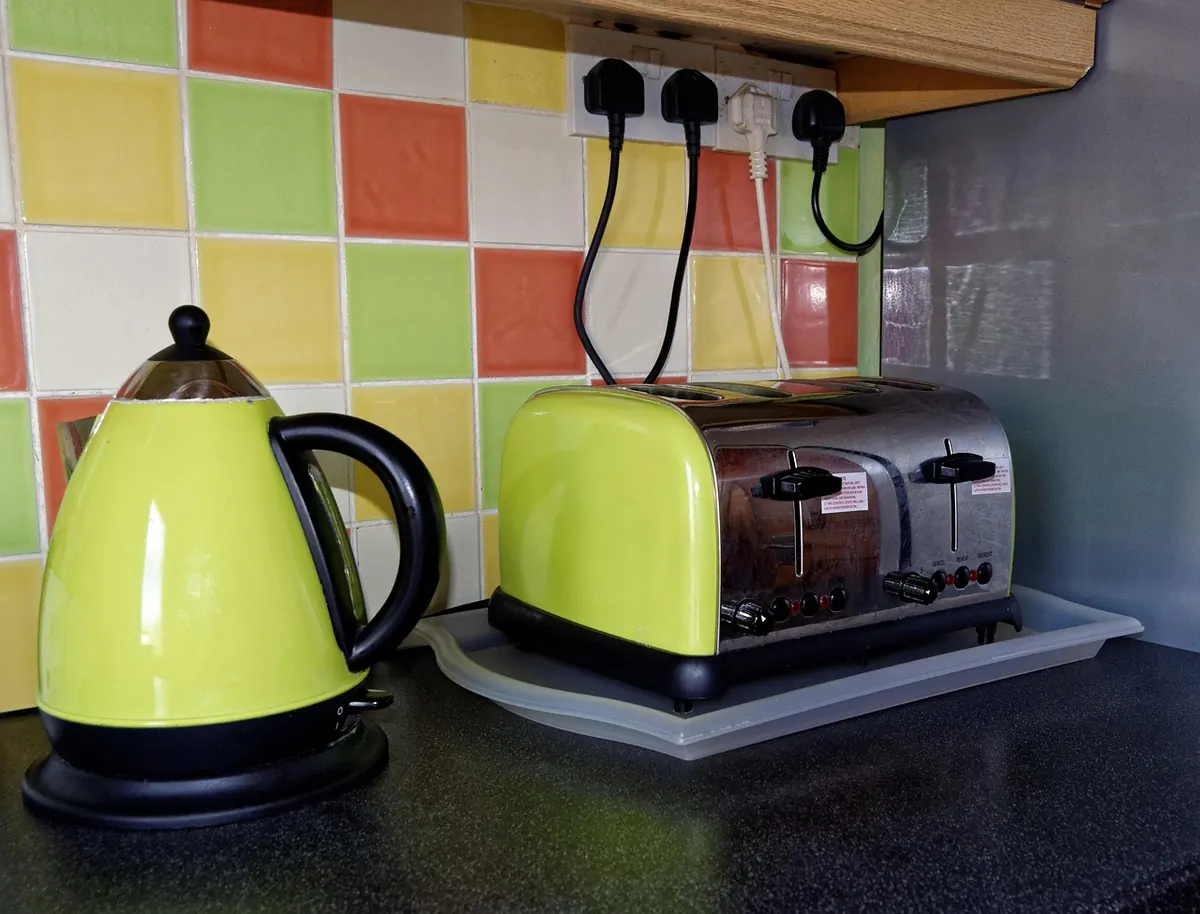
Photo: 27707 / Pixabay