
Matcha Grades Explained: Ceremonial vs. Culinary vs. Latte-Grade
Walk into a tea shop or scroll through an online matcha listing and you’ll meet a wall of labels: ceremonial, culinary, latte-grade, premium, barista, first harvest, stone-ground. Some are useful. Some are marketing. A few quietly tell you the tea was never meant to be whisked with hot water and drunk on its own.
Matcha is ground tencha: shaded green tea leaves that have been steamed, dried, de-stemmed, and milled into powder. The grade depends on when the leaves were picked, how they were handled, and how they taste in the cup. Once you understand those differences, choosing gets easier.
What “Grade” Actually Means
There is no single, universal grading system for matcha. Terms like ceremonial and culinary are used by producers and sellers, but they are not regulated the way wine appellations can be. One company’s culinary matcha may taste better than another’s ceremonial matcha. The label is a starting point, not a guarantee.
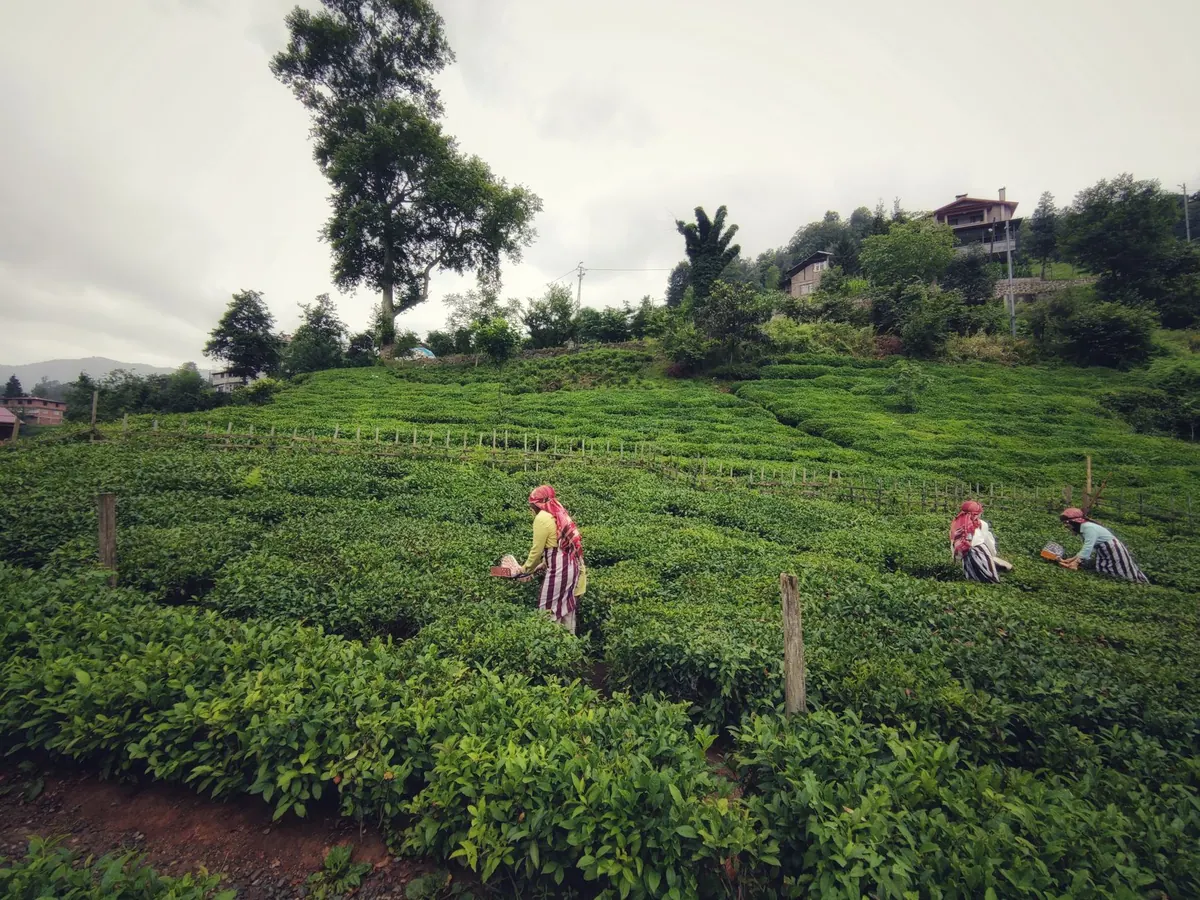
What the words usually describe is the raw material. Higher grades come from younger leaves harvested in spring, often from the first flush. The plants are shaded for several weeks before picking, which boosts chlorophyll and the amino acid L-theanine. That is why good matcha looks vivid green and tastes sweet, grassy, and savory rather than sharply bitter. Lower grades often use later harvests, larger leaves, and more stems or veins. They are still matcha, but they are built for mixing, not sipping.
Ceremonial, Culinary, and “Latte-Grade”
Ceremonial grade
Ceremonial matcha is intended to be whisked with hot water and drunk plain. It should have a bright green color, a soft, fine texture, and a taste that balances sweetness, umami, and a mild vegetal note. Bitterness is present in matcha—it is tea, after all—but it should not dominate. Good ceremonial matcha costs more because the raw leaves are more carefully grown and selected, and because stone-grinding tencha into powder is slow work.
Within ceremonial, you may see usucha and koicha. Usucha is thin tea, made with roughly 1–2 grams of matcha and 60–70 ml of hot water. Koicha is thick tea, made with more matcha and less water, sometimes around 3–4 grams to 40 ml. Koicha demands a sweeter, richer matcha because the flavor is concentrated. If you mostly make everyday bowls of usucha or iced matcha, you do not need koicha-grade powder.
Culinary grade
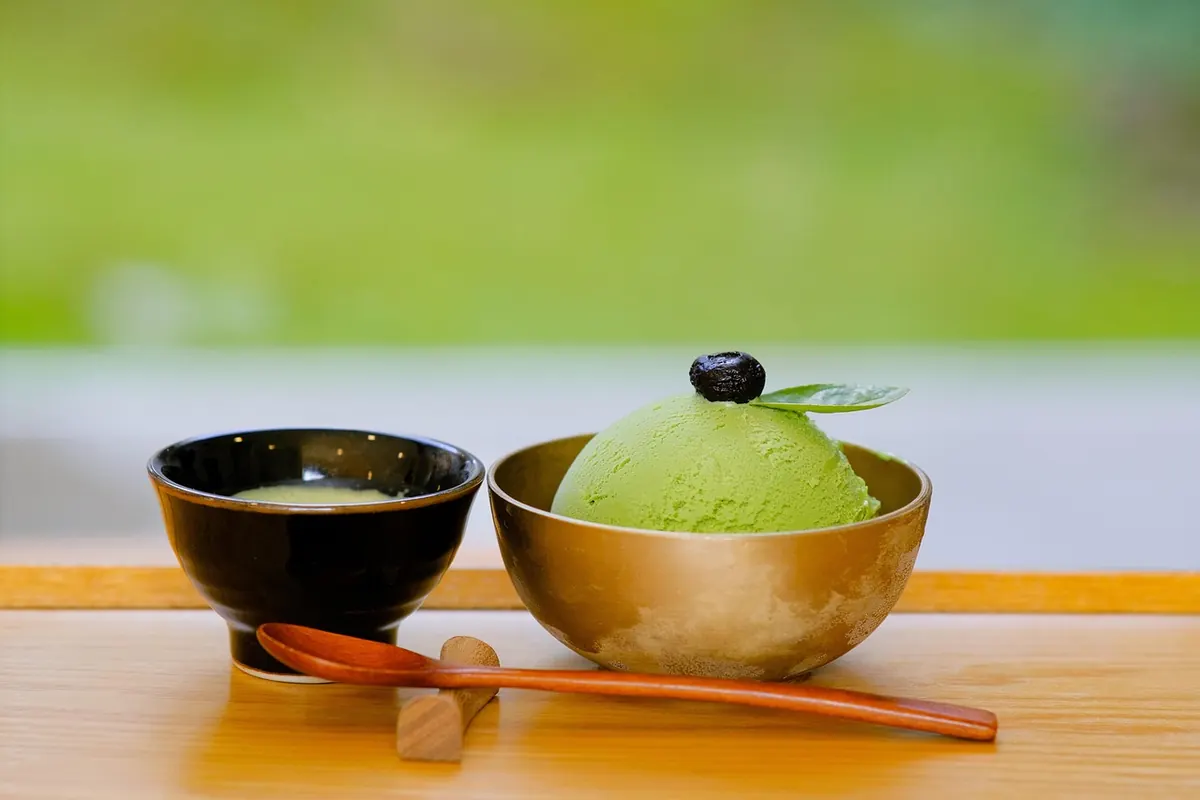
Culinary matcha is made for cooking and blending. It is usually harvested later, may include more stems and veins, and tastes stronger, more astringent, and more bitter. That sounds like a downside, but it is why it works in cakes, cookies, ice cream, smoothies, and sauces. When matcha is mixed with sugar, butter, cream, or fruit, the delicate notes of a ceremonial grade would disappear. Culinary grade holds its own and costs less, so you can use a generous spoonful without wincing.
Latte-grade
“Latte-grade” is mostly a marketing term, not a traditional Japanese grade. It generally means a middle-ground matcha: better than the cheapest culinary powder, but not delicate enough to be worth drinking plain. It is designed to be whisked into a small amount of water and then combined with milk and sweetener. If you drink matcha lattes daily, a good latte-grade or culinary-grade matcha can be a sensible choice. If the same product is also sold as ceremonial at a much higher price, be skeptical.
How to Judge Quality Beyond the Label
Labels help, but your senses are better. Before you buy, look for a harvest date and a region. Matcha is perishable, and a fresh spring harvest usually tastes brighter than a tin that has been sitting for two years. Japanese regions such as Uji, Nishio, Kagoshima, and Shizuoka are well known for matcha, but origin alone does not guarantee quality. A specific cultivar, such as Saemidori or Okumidori, can tell you something about flavor, though most casual drinkers do not need to chase names.
When the package arrives, judge it in this order:
- Color: Vivid, deep green is a good sign. Dull yellow-green or brownish powder suggests age or lower-grade leaves.
- Aroma: Fresh matcha smells sweet, grassy, and slightly marine. Hay, cardboard, or a flat dusty smell means it is past its best.
- Texture: Rub a pinch between your fingers. It should feel like fine powder, not gritty sand. Clumps are normal in storage; sifting fixes them.
- Taste: Whisk a small bowl plain. Ceremonial grade should be smooth and rounded. Culinary grade will be bolder and more bitter, which is fine for its purpose.
Matching Grade to Method
Use this as a quick rule of thumb:
- Drinking plain: Choose ceremonial grade. Sift 1–2 grams into a bowl, add hot water around 70–80°C, and whisk in a W or M motion until frothy.
- Iced matcha or cold brew: Ceremonial grade still works, but a mid-range matcha can be fine if you add ice and maybe a little sweetener. Cold temperatures mute bitterness.
- Matcha lattes: Use latte-grade or a good culinary grade. Whisk 2 grams with a little hot water to make a smooth paste, then add milk and sweetener.
- Baking and desserts: Use culinary grade. Sift it with your dry ingredients to avoid green lumps, or bloom it in a little hot water before adding to batters.
- Smoothies and savory sauces: Culinary grade is ideal. Its stronger flavor survives blending with fruit, yogurt, or salt.
What to Look For on a Label
A useful matcha label tells you more than a grade. Look for the harvest date, the region, and whether the tea was stone-ground. A “best by” date is less helpful than a harvest date, because matcha does not improve with time. If a seller lists nothing but a dramatic grade name, ask questions or buy a small amount first.
Storage matters as much as grade. Matcha oxidizes quickly when exposed to air, light, heat, and moisture. Keep it in an airtight tin, away from light, in a cool cupboard or the refrigerator. If you refrigerate it, let the tin come to room temperature before opening to prevent condensation. Once opened, use it within a few weeks for the best flavor, or within a couple of months if you store it carefully.
The Practical Bottom Line
Buy ceremonial matcha when you plan to drink it plain and want to taste the tea itself. Buy culinary matcha when you are baking, blending, or making sauces. Treat latte-grade as a convenience label: it can be a good everyday powder for milk drinks, but it is not a formal quality standard. If you are unsure, start with a small tin of ceremonial grade for drinking and a larger bag of culinary grade for the kitchen. That way you always have the right matcha for the job—and you will not waste a delicate tea in a muffin batter.
Photo: thaoantran0101 / Pixabay